High Purity Quartz (HPQ): Cost Structure and 2025–2026 Market Outlook
Mar,24,2026
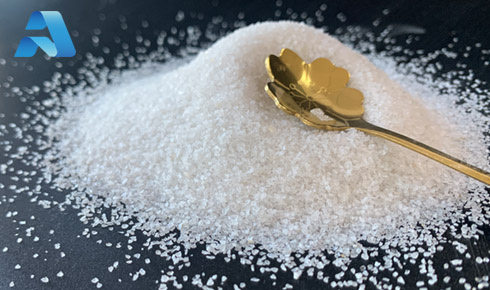
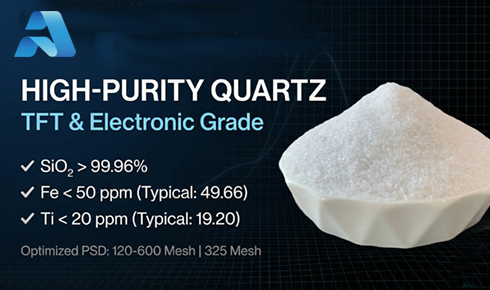
High Purity Quartz (HPQ) holds a strategic and irreplaceable position in modern industry due to its extreme purification difficulty and essential applications. The following is a detailed analysis of its cost components and the market landscape for 2025–2026. I. Cost Structure: Why is it so expensive? The high cost of HPQ is not primarily driven by the raw ore itself, but rather by extreme purification processes and scarce mineral source certification. 1. Raw Ore Resource Barrier (approx. 10%–20% of cost; the decisive factor) Scarcity: Globally, only a few deposits (such as the Spruce Pine mine in North Carolina, USA) can produce natural quartz ore with ultra-low impurities and minimal lattice defects. This ore is the essential foundation for manufacturing high-purity sand above 4N8 (99.998%). Access Costs: Premium mineral sources are largely monopolized by international giants (e.g., Sibelco in the US, TQC in Norway). Obtaining mining rights is extremely difficult, and the price of the raw ore itself is significantly higher than that of ordinary quartz. 2. Purification Process Costs (approx. 50%–60% of cost) Complex Workflow: Processing raw ore into semiconductor-grade high-purity sand requires dozens of stages, including crushing, milling, magnetic separation, flotation, acid leaching (using strong acids like HF and...
Learn More