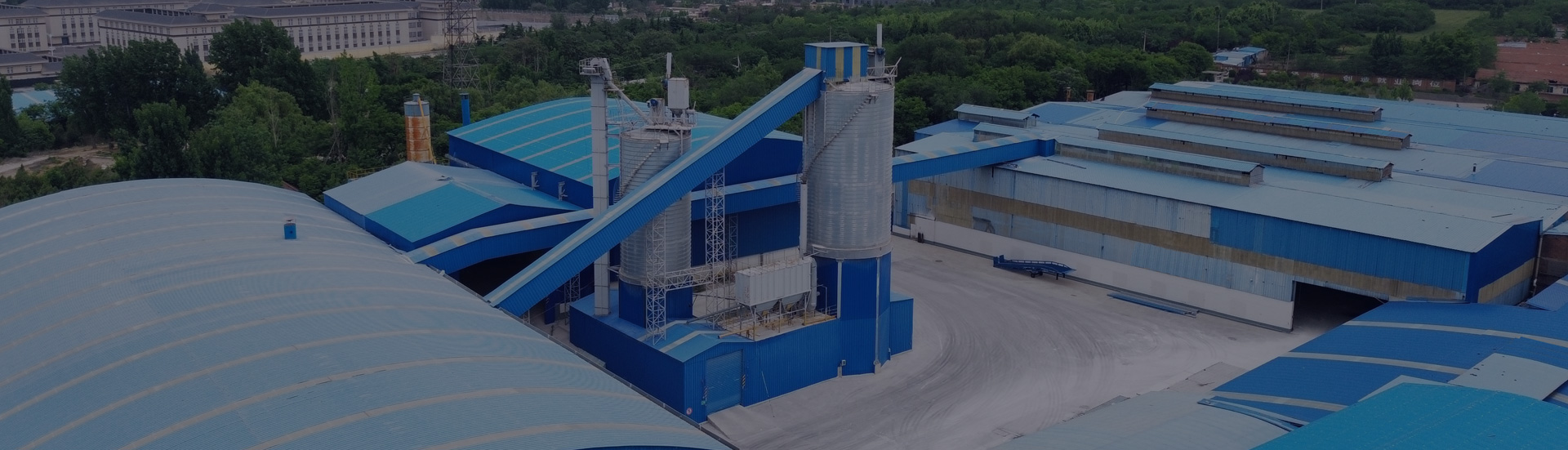
In the production chain of the modern ceramic industry, there is a mineral raw material that isn’t often known to the general public but plays a vital role as a “behind-the-scenes hero”—Albite (Sodium Feldspar). As a core component in the formulation of ceramic bodies and glazes, high-quality albite serves not only as a highly effective flux but also as a perfect catalyst for porcelain formation. With its excellent physical and chemical properties, it is delivering significant breakthroughs in cost reduction and efficiency improvement for ceramic enterprises.

In the ceramic firing process, energy cost has always been a key focus for enterprises. Albite has a relatively low melting point (approximately 1100℃-1120℃), a characteristic that allows it to melt early during firing and generate a rich glassy phase. This high-temperature liquid phase acts as an efficient “solvent,” rapidly dissolving some of the refractory materials in the body, such as quartz and kaolin, thereby significantly lowering the overall firing temperature of the ceramic. For ceramic manufacturers, this translates to shorter firing cycles and substantial savings in fuel and electricity costs, directly boosting production efficiency. Promoting Vitrification, Forging Excellent Physical Properties
Beyond energy saving, albite is also key to enhancing the “inner beauty” of ceramics. During the cooling process, the molten albite glassy phase tightly binds the various mineral particles within the ceramic body, effectively filling the tiny pores between them. This process greatly promotes the vitrification of the ceramic, resulting in a denser body structure. Thanks to this, the mechanical strength, hardness, and wear resistance of ceramic products all see a qualitative leap, laying a solid foundation for producing high-strength, durable architectural and daily-use ceramics.
In today’s era of consumption upgrades, the aesthetic texture of ceramic products directly determines their market competitiveness. Albite performs exceptionally well in improving the translucency and whiteness of ceramics. Especially in the production of fine daily-use porcelain and architectural ceramics like polished tiles and vitrified tiles, it can significantly enhance the transparency and purity of the products. In glaze applications, as a primary component in forming the glassy glaze surface, albite makes the glaze smoother and more delicate, endowing ceramic products with a soft, jade-like luster, greatly elevating the product’s grade and aesthetic appeal.
As the modern ceramic industry’s demand for high-quality, low-energy production continues to grow, albite, with its irreplaceable fluxing and porcelain-forming catalytic roles, is continuously injecting strong momentum into the transformation and upgrading of the ceramic industry.
Sourcing from a reliable manufacturer is crucial. We are a leading producer of albite, nepheline, and quartz, operating our own mines to ensure a stable and dependable supply. If you are looking for a trusted supplier to support your business, look no further. Contact us for a quote, and let’s achieve success together!
📞Tel:+86 158 3720 7537 (WhatsApp)
📧Email: info@lsakminerals.com
🌐Web: www.lsakminerals.com

Whether you have questions or you would just like to say hello,Contact us!
Call Anytime:
+86 15837207537Send E-mail:
info@lsakminerals.comAddress:
Anyang City , Henan Province, China.