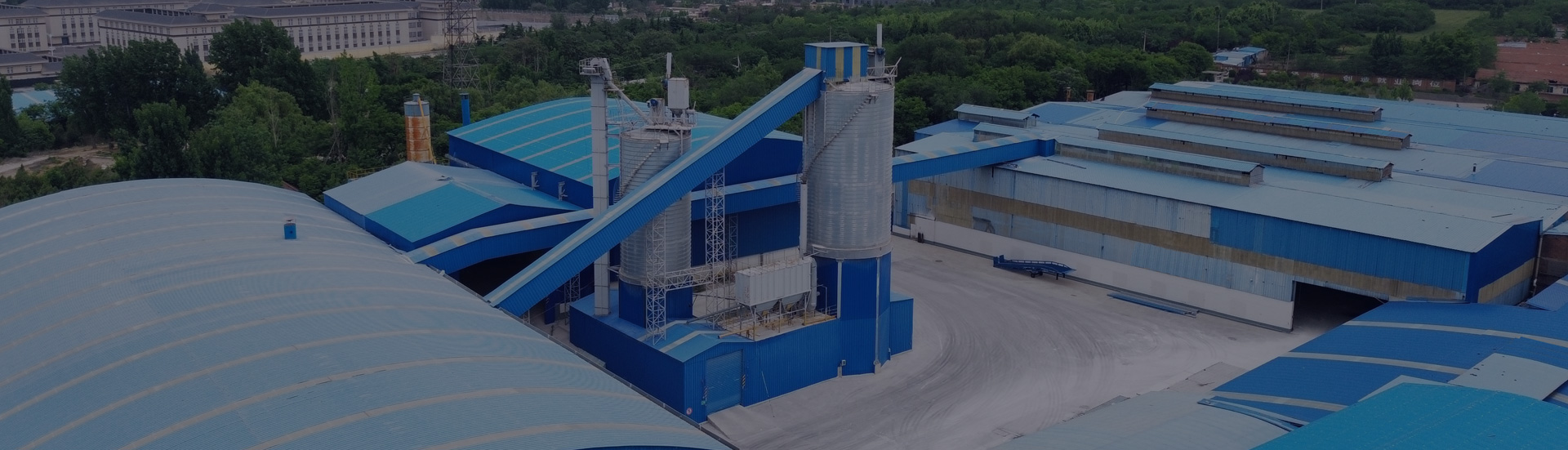
sodium feldspar (also known as soda feldspar, chemical formula NaAlSi₃O₈, or albite) plays a key role in enamel, ceramic glazes, and related industries. It is a common alkaline feldspar mineral that primarily supplies Na₂O (sodium oxide), Al₂O₃ (alumina), and SiO₂ (silica), making it an excellent flux.
– Lowering Melting Temperature — Sodium feldspar has a relatively low melting point (theoretical around 1100°C). At high temperatures, it forms low-eutectic mixtures with other raw materials, reducing the firing temperature of glazes or bodies by 100-200°C, saving energy and improving production efficiency.
– Promoting Glass Phase Formation— It helps create a smooth, dense vitreous layer, enhancing glaze fluidity, transparency, and gloss while filling voids in the body for greater density and higher mechanical strength.
-Providing Alkali Metal Oxides — Na₂O acts as a strong flux, making the glaze softer and brighter, and influencing color development (e.g., producing specific tones with certain metal oxides).
-Improving Product Performance — It enhances thermal shock resistance, hardness, chemical stability, and reduces defects like bubbles or cracks.

Applications in Ceramic Glazes
Sodium feldspar is a core raw material in ceramic bodies and glazes, typically comprising 20-50% of glaze formulations.
In bodies: It serves as a lean material, reducing drying shrinkage and deformation, improving drying performance and body translucency; during firing, it fills voids, making the body denser.
In glazes: As the primary flux, it promotes uniform coverage, forming a high-gloss, defect-free surface. Commonly used in daily ceramics, sanitary ware, tiles, etc. Compared to potassium feldspar, sodium feldspar melts faster with better fluidity, but has a higher thermal expansion coefficient, which may cause glaze crazing (requiring formula adjustments).
Enamel glazes are essentially vitreous coatings. Sodium feldspar is blended with other minerals (e.g., quartz, borax) to form frits, usually added at 20-30% or more. It helps form a smooth, robust glaze layer, ensuring a defect-free, glossy appearance, while improving adhesion and corrosion resistance. Enamel products (e.g., cookware, bathtubs) rely on feldspar minerals for protective and decorative effects.
Sodium feldspar offers stronger fluxing, lower cost, and a narrower firing range, but provides better glaze gloss and color response; potassium feldspar is more stable and durable, often used in high-end porcelain.
Overall, the high-alumina and low-iron characteristics of sodium feldspar make it indispensable in modern ceramic and enamel industries, especially for energy-saving and high-quality glaze applications. If you have questions about specific formulations or applications, feel free to discuss further!
📞 +86 158 3720 7537
📧 info@lsakminerals.com
🌐 http://lsakminerals.co

Whether you have questions or you would just like to say hello,Contact us!
Call Anytime:
+86 15837207537Send E-mail:
info@lsakminerals.comAddress:
Anyang City , Henan Province, China.