While whiteness is visible, chemical stability is vital. Discover why controlling Al2O3 content within ±0.5% is critical for optimizing melt viscosity and mechanical strength in glass and ceramic production.

The “Visible” vs. The “Vital”
In the procurement of raw materials for ceramics and glass manufacturing, “Whiteness” often dominates the conversation. It is an easy metric to see and measure. However, for Production Managers and R&D Engineers, the real challenge lies in what is unseen: the consistency of the chemical composition.
Specifically, the role of Aluminum Oxide (Al2O3) in Sodium Feldspar is often undervalued during the initial sourcing phase, yet it is the primary driver of mechanical strength and chemical resistance in the final product.
At Henan Ankai New Materials, we believe that true material quality is defined not just by how white the powder is, but by how stable the alumina content remains batch after batch.
Sodium Feldspar is not merely a flux; it is a structural component.
Our standard Sodium Feldspar features a high Al2O3 content of 19.5%, providing the robust framework needed for high-performance Sanitary Ware and Fiberglass.
The nightmare of every kiln operator is “Process Variability.”
If a supplier provides a batch of feldspar where Al2O3 drops from 19% to 17%, the melt viscosity decreases significantly. This can lead to:
To combat this, we utilize our own mines and advanced processing lines to strictly control Al2O3 within a tight tolerance of ±0.5%. This precision allows your technical team to lock in their formulas without worrying about adjusting parameters for every new shipment.
While Potassium Feldspar is often praised for its melt viscosity, high-quality Sodium Feldspar offers a unique advantage: it provides high fluxing power (from Na2O≈10.5%) while maintaining structural integrity through high Alumina.
This balance makes it ideal for industries that need to lower firing temperatures to save energy but cannot compromise on the physical hardness or chemical stability of the final product.
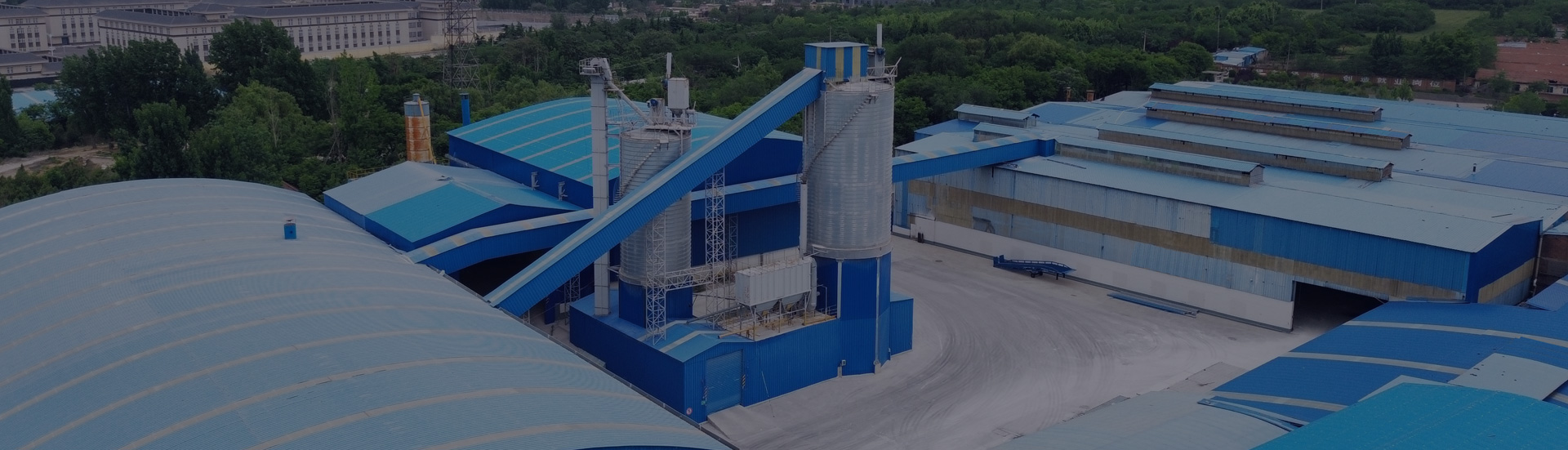
Achieving this stability isn’t accidental. It requires a rigorous Quality Control system. At Ankai, our finished powders undergo 8-step processes for sample comparison before they ever leave our factory in Anyang. Whether you require 200 Mesh for ceramics or 325 Mesh for glazes, the chemical analysis remains consistent.
In 2026, as manufacturing lines become more automated and precise, the tolerance for raw material fluctuation is disappearing. Don’t just buy “White Powder.” Buy “Chemical Certainty.”
Need a detailed chemical analysis (COA) or a 1kg sample for your lab testing?
Contact our technical sales team today at info@lsakminerals.com to discuss how our stabilized Sodium Feldspar can fit your specific production line.
📞 Tel: +86 158 3720 7537(WhatsApp)
📧 Email: info@lsakminerals.com
🌐 Web: www.lsakminerals.com

Whether you have questions or you would just like to say hello,Contact us!
Call Anytime:
+86 15837207537Send E-mail:
info@lsakminerals.comAddress:
Anyang City , Henan Province, China.