Beijing, September 16, 2025 — In the refractory industry, sodium feldspar and mullite are two key mineral materials valued for their distinct physical and chemical properties. This article offers a professional perspective for refractory engineers, analyzing the advantages of both materials, supported by the latest market data, and highlighting the industry strength of LSAK Feldspar to aid in formulation optimization and material selection.

Global sodium feldspar production is projected to reach 45 million tons in 2025, a 3.5% year-on-year increase. The market is expected to grow from USD 1.2 billion in 2024 to USD 1.8 billion by 2033, with a CAGR of 5.3%. This growth is driven by strong demand in ceramics, glass, and refractories. With typical Al₂O₃ content between 48% and 75%, sodium feldspar’s stable supply supports technological upgrades and cost optimization in energy-intensive industries such as steel, cement, and glass manufacturing.
Sodium feldspar acts as an efficient flux and filler in refractory bricks, castables, and high-alumina materials. Its low thermal expansion coefficient (~4.8×10⁻⁶/℃) and low thermal conductivity (~1.5 W/m·K at room temperature) reduce thermal stress, enhancing strength and thermal stability. By promoting rapid melting of quartz and clay, it forms a stable glassy phase that improves corrosion resistance and high-temperature performance. It is widely used in steelmaking, cement kilns, and glass furnaces—especially in mid-temperature (e.g., fireclay bricks) and lightweight refractories—where it reduces energy consumption and extends lining life.
Mullite (Al₂O₃·2SiO₂) is a high-performance ceramic known for its high melting point (1840°C), low density (~3.15 g/cm³), excellent thermal shock resistance, and creep resistance. It is ideal for extreme environments in aerospace and chemical processing. However, its high production cost and complex processing limit widespread industrial use.
In contrast, sodium feldspar offers cost efficiency and versatility. While widely used in ceramics and glass, it also excels in refractories. With a similar density range (2.7–3.2 g/cm³) and good mechanical strength, sodium feldspar can be effectively combined with mullite to balance performance and cost. For example, in steel and cement industries, blending sodium feldspar as a matrix with mullite aggregate produces lightweight, high-strength refractories suitable for demanding conditions—making it a key enabler of efficient, sustainable industrial transformation.
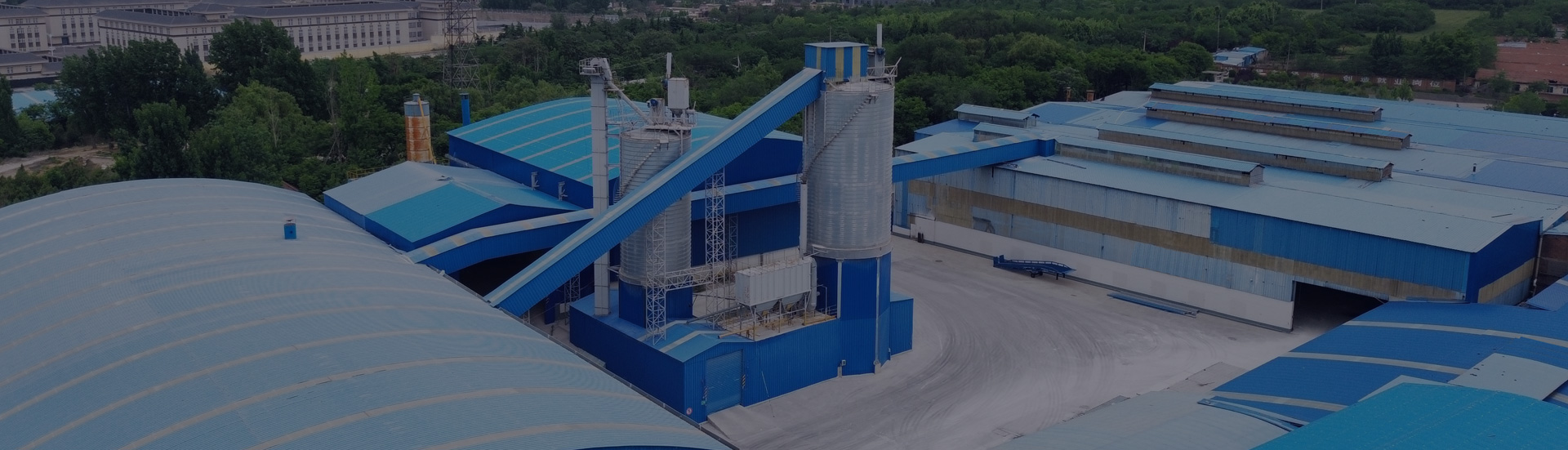
As a leading Chinese sodium feldspar supplier, LSAK Feldspar (Henan Ankai New Materials Co., Ltd.), established in 1999, leverages high-quality deposits in the Taihang Mountains. With proprietary mines and advanced processing lines, the company ensures high sodium content, no free silica, and rich alumina content. LSAK’s products are trusted globally for their consistent quality and performance in refractories and ceramics. Through an integrated R&D-manufacturing system, LSAK provides customized solutions to help customers optimize formulations for better thermal stability and corrosion resistance. Committed to sustainability and social responsibility, LSAK sets benchmarks in quality and integrity.
Formulation Tip: Blend sodium feldspar (30–50%) with mullite to balance cost and performance. Sodium feldspar lowers sintering temperature and energy use; mullite enhances high-temperature strength and thermal shock resistance.
Application Guidance: Use sodium feldspar in mid-temperature applications (1000–1300°C), such as electric furnace linings; reserve mullite for high-temperature (>1500°C) or highly corrosive environments like petrochemical furnaces.
For challenges in thermal stress or cost control, sodium feldspar serves as an ideal matrix material, especially when combined with mullite. Contact LSAK Feldspar for technical support and sample testing.
As global demand for refractories grows, LSAK Feldspar remains committed to innovation and reliable supply, empowering engineers to advance technological progress and sustainability.

Whether you have questions or you would just like to say hello,Contact us!
Call Anytime:
+86 15837207537Send E-mail:
info@lsakminerals.comAddress:
Anyang City , Henan Province, China.