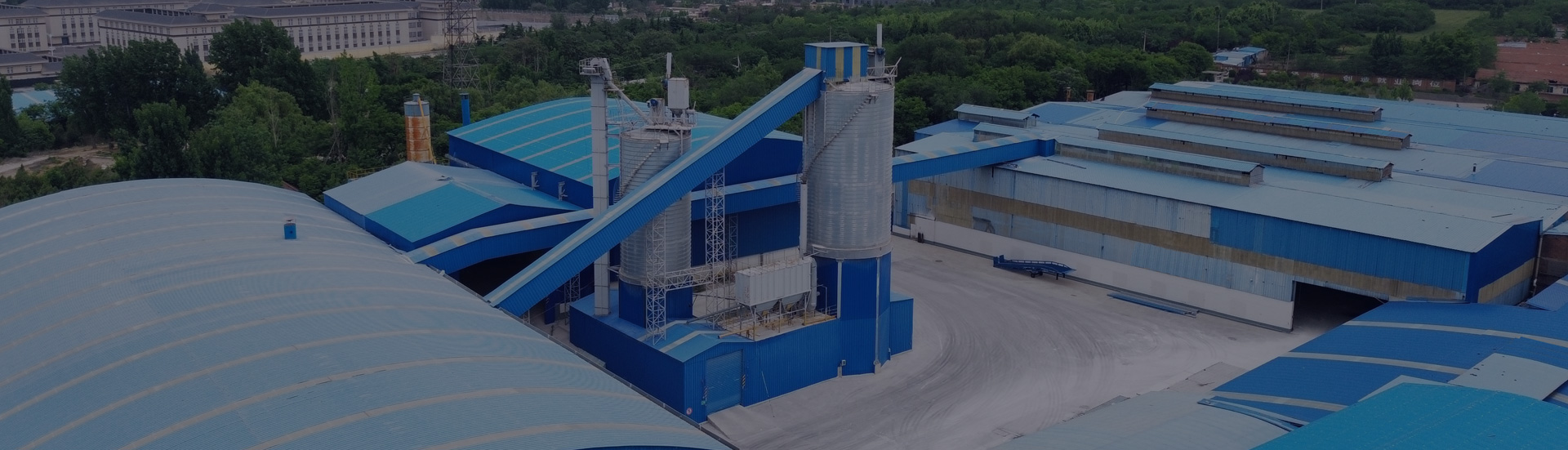
In the context of increasing global economic integration, sodium feldspar, as a key industrial raw material, is subject to various market dynamics. Recently, with the adjustment of international tariff policies and the complexity of the trade environment, the export of sodium feldspar has faced both new challenges and opportunities. This article will explore the current export situation of sodium feldspar and analyze how these changes affect enterprises in the glass and ceramic industries.

With the gradual recovery of the global economy, demand for sodium feldspar continues to grow, especially in emerging markets. As one of the world’s leading producers, China possesses abundant mineral resources and technical expertise. However, the intensifying international trade tensions have led some countries to raise tariffs on Chinese imports, placing pressure on sodium feldspar exporters.
In response, Chinese sodium feldspar companies have actively adapted by improving product quality, adding value through processing, and expanding into diverse markets. For example, many companies have focused on increasing exports to countries along the Belt and Road Initiative, achieving market diversification and reducing reliance on any single region.
In the glass manufacturing sector, sodium feldspar is primarily used as a flux to lower the melting temperature of raw materials, thereby improving energy efficiency and optimizing the production process. For glass fiber production, sodium feldspar with a particle size of 100 mesh or 325 mesh is especially recommended, as its fine particle size enhances melting performance, flowability, and uniformity.
Glass manufacturers also pay close attention to the sodium oxide (Na₂O) content in feldspar. While a higher Na₂O content helps reduce the melting point, it must be balanced with strict control of iron oxide (Fe₂O₃) levels to ensure high transparency. Low-iron sodium feldspar is particularly preferred in high-end applications such as optical glass and flat panel displays.
In the ceramic industry, sodium feldspar plays a vital role not only as a key raw material in glazes but also in improving the sintering properties of ceramic bodies, enhancing mechanical strength, and increasing resistance to corrosion. Commonly used specifications include **100 mesh, 200 mesh, and 325 mesh**, with different ceramic products requiring specific particle sizes and purity levels.
To meet the demands of high-end ceramic markets, the chemical composition of sodium feldspar must be highly stable. In particular, the appropriate ratio of aluminum oxide (Al₂O₃) to sodium oxide (Na₂O) is crucial for ensuring product quality and consistency. Additionally, as environmental awareness grows, more ceramic manufacturers are placing importance on suppliers’ green production practices and social responsibility, preferring to partner with eco-conscious companies.
In the face of an evolving international market and complex tariff policies, sodium feldspar producers must not only enhance product quality and technical capabilities but also closely monitor policy changes and adjust market strategies accordingly. By continuously strengthening core competitiveness and actively expanding into global markets, companies can effectively navigate challenges and seize new opportunities in this dynamic era.
If you’d like to learn more about our sodium feldspar products or explore potential cooperation, please feel free to contact us:
📞 Phone: +86 158 3720 7537
📧 Email: info@lsakminerals.com
🌐 Website: www.lsakminerals.com
We look forward to working with you to write a new chapter in the industry together!

Whether you have questions or you would just like to say hello,Contact us!
Call Anytime:
+86 15837207537Send E-mail:
info@lsakminerals.comAddress:
Anyang City , Henan Province, China.