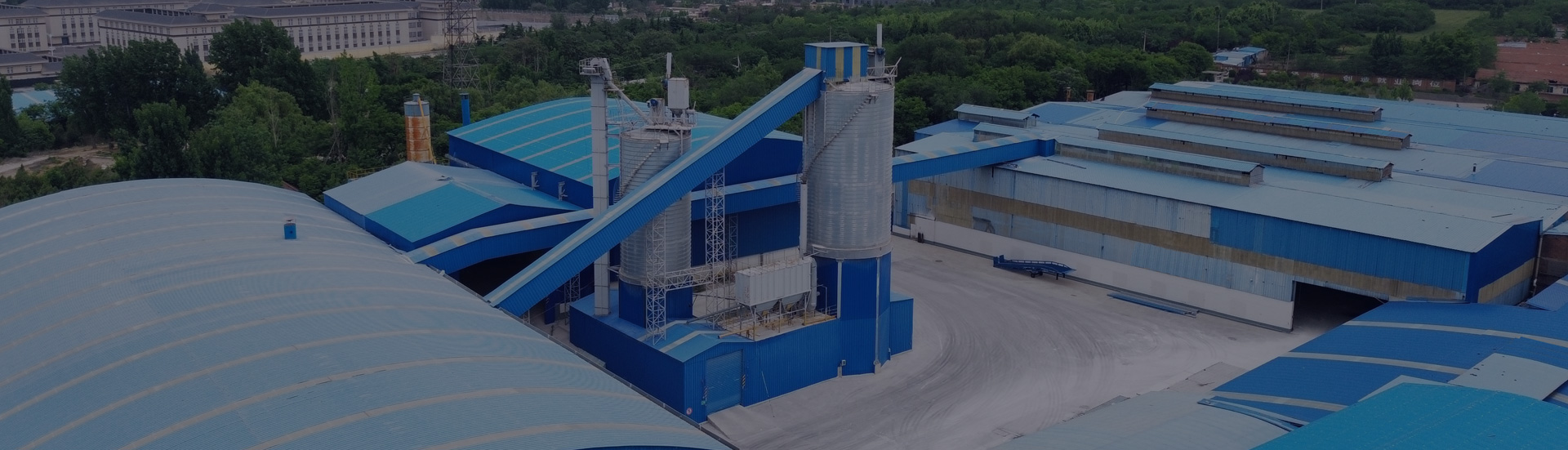
Nepheline is a high-purity, naturally occurring mineral used primarily as a flux in glass, ceramics, coatings, and specialty fillers. Manufacturers maintain very tight quality control because even small variations in chemistry or physical properties can ruin a glass batch, cause defects in ceramic glazes, or change the rheology of paints. Here’s how leading nepheline producers (e.g., Covia/Unimin, Sibelco, I-Minerals, etc.) typically control product quality:
– Geological mapping and core drilling to identify consistent, high-quality ore zones (low iron, low titanium, high alumina, predictable Na₂O+K₂O).
– Selective mining: Only certain benches or faces are extracted for premium grades.
– Pre-blending of run-of-mine material in the pit or stockpile to reduce natural variability.

– Jaw/cone crushers and vibratory screens remove oversize and some tramp material.
– Magnetic separators pull out ferromagnetic contaminants
– High-intensity wet magnetic separation to remove iron- and titanium-bearing minerals (ilmenite, biotite, Fe-stained feldspar).
– Froth flotation (rarely, but used by some producers) to float out mica or separate feldspar.
– Optical sorting (increasingly common) using RGB or near-infrared sensors to reject dark or off-color particles in real time.
– Closed-circuit ball or rod mills with air classifiers or hydrocyclones to hit exact particle-size targets (e.g., 5–15 µm median for glass-grade, 3–6 µm for ultra-fine ceramic grades).
– Laser diffraction (Malvern, CILAS) or sedimentation analyzers run every hour to verify PSD.
– X-ray fluorescence (XRF) every 30–60 minutes on the final product stream for major oxides (Al₂O₃, SiO₂, Na₂O, K₂O, Fe₂O₃, CaO, MgO).
– Inductively coupled plasma (ICP-OES or MS) for trace elements if needed.
– X-ray diffraction (XRD) periodically to confirm absence of undesirable minerals (quartz, magnetite, anorthite, etc.).
– Color measurement (Lab or brightness) using spectrophotometers, because even 20–30 ppm Fe₂O₃ can tint glass.
– Most modern plants use PLC/SCADA systems with online XRF (e.g., PANalytical, Thermo Fisher ARL) mounted directly over the conveyor.
– Automated feedback loops adjust magnetic separator strength, classifier settings, or blending ratios within minutes.
– Large silo blending (10,000–50,000 tonne capacity) to eliminate short-term variability.
– Samples pulled from every truck, railcar, or big-bag using automated cross-stream samplers.
– Certificate of Analysis (CoA) generated for each lot with actual chemistry, particle size, brightness, and moisture.
Because nepheline is a direct substitute for feldspar plus alumina in many formulations, any deviation can force glass and ceramic plants to reformulate or risk defects (cords, stones, color shifts), so producers treat quality control with the same rigor as the semiconductor or pharmaceutical industries.
In short: selective mining → aggressive magnetic/optical cleaning → ultra-precise grinding → continuous online XRF and particle-size monitoring → massive silo blending → lot-by-lot certification. That’s how the best nepheline manufacturers keep variability almost nonexistent.
📞 Tel: +86 158 3720 7537(WhatsApp)
📧 Email: info@lsakminerals.com
🌐 Web: WWW.lsakminerals.com

Whether you have questions or you would just like to say hello,Contact us!
Call Anytime:
+86 15837207537Send E-mail:
info@lsakminerals.comAddress:
Anyang City , Henan Province, China.