When sourcing High-Purity Quartz for TFT
LCD substrates and premium display glass, procurement and R&D teams naturally fixate on the chemical analysis. It is an industry consensus that Silicon Dioxide (SiO2) must exceed 99.96%, and trace elements like Iron (Fe) and Titanium (Ti) must be strictly controlled (typically under 50 ppm and 20 ppm, respectively).
However, chemical purity is only half the battle.
Many glass manufacturers secure high-purity quartz only to discover that their glass furnaces are plagued with micro-bubbles, un-melted stones, and inconsistent melting rates. The hidden killer behind these defects is rarely the chemistry—it is the Particle Size Distribution (PSD).

The Danger of “Ultra-Fines” in Glass Melting
For high-end display glass, the ideal quartz particle size typically falls within the 120-600 mesh range. The critical issue arises when traditional crushing and milling processes generate excessive ultra-fine powder (particles finer than 600 mesh) that remains trapped within the final product.
Why are these ultra-fines so destructive?
Premature Melting & Trapped Gases: In high-temperature furnaces, ultra-fine quartz particles melt much faster than larger grains. This premature vitrification can form a highly viscous layer that traps gases, leading to irreversible micro-bubbles (blisters) in the glass substrate.
Dusting & Refractory Wear: Excessive fine powder easily becomes airborne in the furnace, adhering to the refractory materials of the furnace crown, causing premature wear and potential contamination.
Uneven Batch Mixing: A broad or irregular PSD leads to segregation during batch mixing, meaning the quartz does not interact uniformly with fluxing agents, ultimately compromising the optical clarity of the display glass.
The Ankai Solution: Tailored Mesh Classification
At HENAN ANKAI NEW MATERIALS CO.,LTD, we understand that for Tier-1 display glass manufacturers, “good enough” is unacceptable.
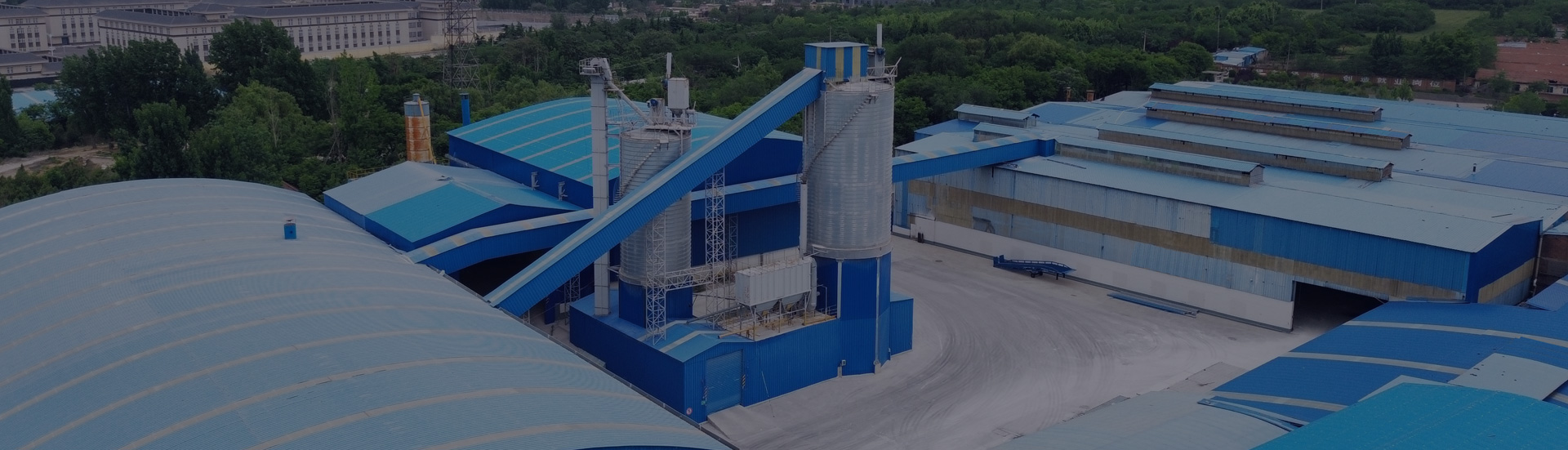
Established in 2011. our ISO 9001-certified facility is equipped with advanced mesh classification systems designed to engineer the physical properties of our High-Purity Quartz. We do not just crush quartz; we precisely classify it.
By utilizing multi-stage air classification, we strictly remove the < 600 mesh by-products from our premium TFT-grade quartz. The result is a sharp, concentrated PSD curve that guarantees uniform melting behavior and significantly reduces bubble defects.
For applications requiring finer materials, such as Electronic-Grade Fiberglass (E-glass), we offer a strictly controlled 325 mesh option, ensuring perfect integration into low-dielectric formulas.
Streamlining Your High-End Raw Material Supply
Securing the right quartz is critical, but managing the supply chain efficiently is equally important. Operating a 45.000 sqm factory with an annual production of 100.000 tons , HENAN ANKAI is already a globally recognized supplier of premium Sodium Feldspar, Potassium Feldspar, and Nepheline.
By adding our validated High-Purity Quartz to your procurement matrix, you can consolidate your sourcing, load mixed containers directly from our facility, and significantly optimize your international freight and management costs.
Stop letting inconsistent PSD compromise your display glass yield. Are you ready to see the data? Contact our engineering team today at info@lsakminerals.com to request the complete Technical Data Sheet (TDS) and the exact Particle Size Distribution (PSD) curve of our TFT-grade High-Purity Quartz.
Tel:+86 158 3720 7537 (WhatsApp)
Email: info@lsakminerals.com
Web: www.lsakminerals.com

Whether you have questions or you would just like to say hello,Contact us!
Call Anytime:
+86 15837207537Send E-mail:
info@lsakminerals.comAddress:
Anyang City , Henan Province, China.